Tabletop miniatures
3D models for tabletop miniatures
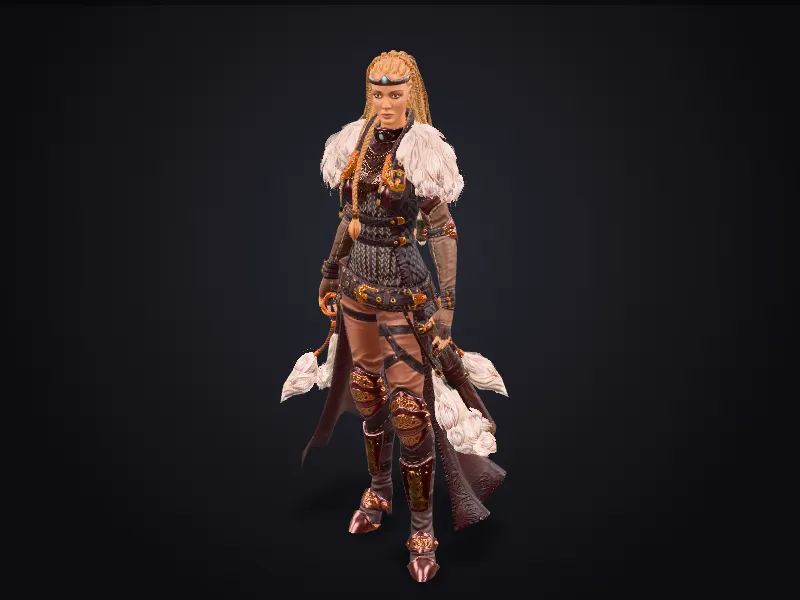
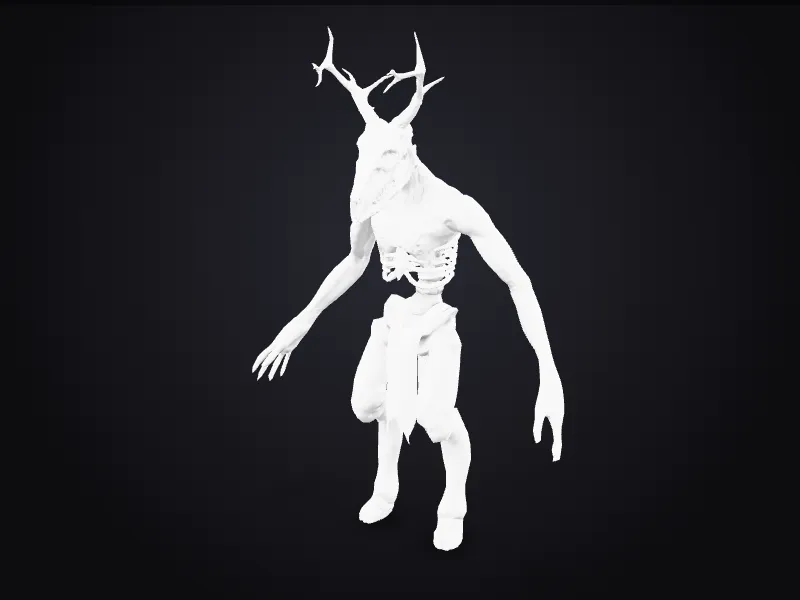
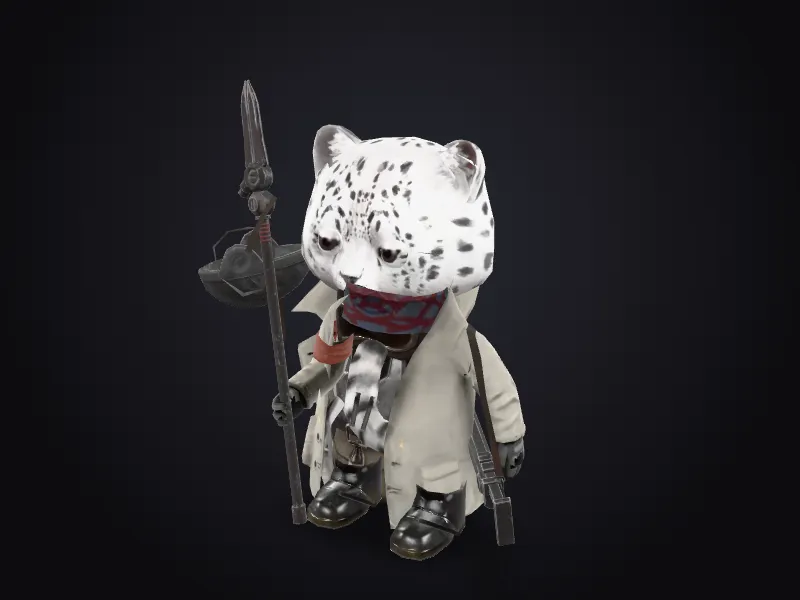
Your party's ranger, the villain's lair, a one-off monster for Thursday's session: describe it, generate it, scale it and print it.
Tabletop players have always wanted miniatures of their own characters. Generated models make that cheap, and a home resin printer makes it fast.
From idea to mini
- Generate. Use text to 3D with a clear, single-character prompt: "a halfling ranger with a longbow and hooded cloak, standing pose". Or feed character art into image to 3D.
- Pose and base. Add a round base in Blender (25 mm or 32 mm diameter are common) and join the feet to it.
- Scale. "28 mm" and "32 mm" scales describe roughly how tall a human-sized figure stands. Scale your character so a human sits around that height. Taller races scale up from there.
- Check thin parts. Weapons, staffs and fingers are where prints fail. Thicken them, or accept a slightly chunkier "gaming" look.
- Slice and print. Resin printers capture far finer detail at this scale than FDM printers do.
Terrain and props
Scatter terrain is the easiest win: rocks, barrels, bookshelves, ruined walls. Try our skull rock, the apothecary jars for a potion shop, or the medieval tavern as a scene to show players on screen.
Respect other people's characters
Printing a mini for your own table is one thing. Selling minis of a trademarked character is another. If you sell prints, stick to original designs and to models whose licence allows commercial use. Check the CC BY attribution rules for downloaded ones.
Written with AI assistance and reviewed by the Renderlyst team. Spot something out of date? Email alishbakhalid766@gmail.com.