Film & animation
3D models for film and animation
Previs, storyboards and background set dressing all need lots of geometry quickly. Generated and open-licensed models fill that gap.
Animated productions and visual-effects shots carry large asset lists, and most items are seen briefly or out of focus. That long tail is where generated models save the most time.
Previs and layout
Previsualisation is about camera, blocking and timing, not polish. A text-to-3D prop at roughly the right size and shape is all a layout artist needs to frame a shot. Text to 3D can produce a car, a lamp post or a market stall in a minute or two, which keeps previs moving instead of waiting on modelling tickets.
Set dressing
A street, shop or apartment needs dozens of believable objects. Open-licensed scans like the photogrammetry boulder and museum objects bring real-world detail, and generated props fill out the rest. Keep a list of every third-party asset and its licence. Attribution for CC BY assets usually belongs in the end credits.
From still to motion
- Rigid props (vehicles, furniture, tools) can animate straight away with keyframes.
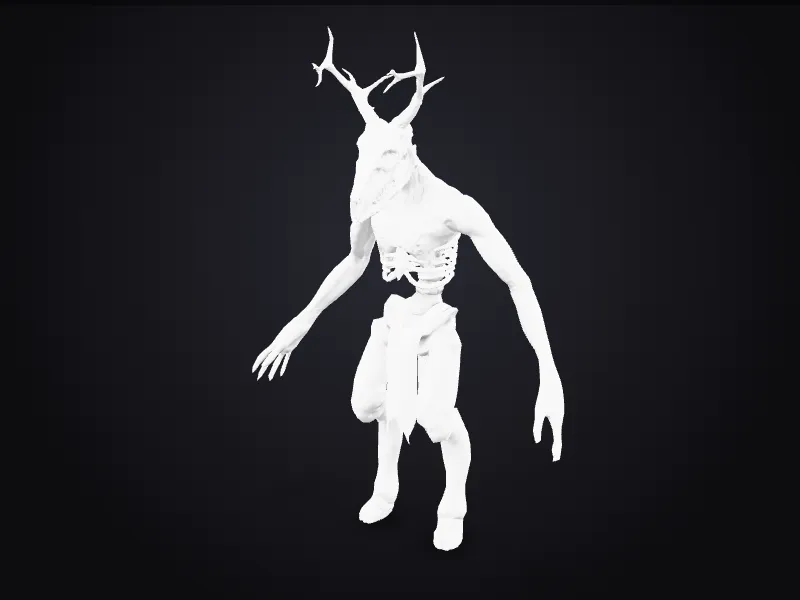
- Characters need rigging. Generated characters usually also need retopology so joints bend cleanly.
- Turntables. For portfolio and pitch work, a 360° turntable render is often all a model needs to do.
Render settings that make cheap assets look expensive
Depth of field, a little atmospheric haze and a strong key light hide most of the imperfections of fast assets. Put your hand-made hero assets in focus, and let the generated ones carry the background.
Written with AI assistance and reviewed by the Renderlyst team. Spot something out of date? Email alishbakhalid766@gmail.com.