Use cases
One studio,
ten pipelines.
Practical notes on where generated and open-licensed 3D models fit: the formats each field expects, the budgets that matter, and where a human still needs to step in.
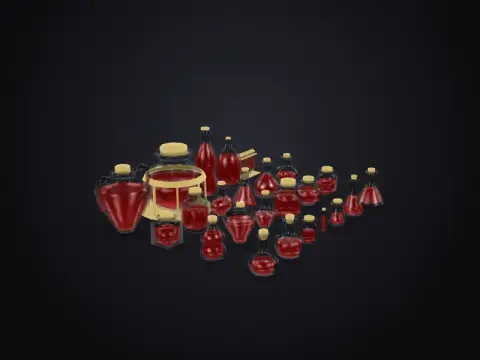 Game development How indie and studio game teams use image-to-3D and text-to-3D to block out levels, fill scenes with props and test ideas before modelling by hand.
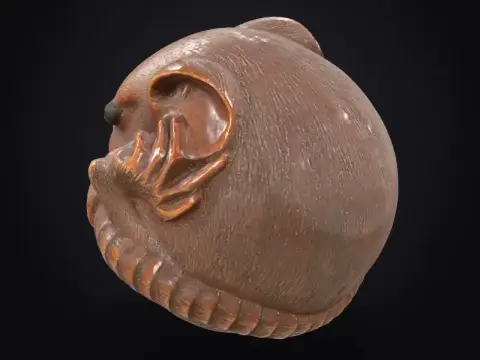 3D printing Turn photos, logos and ideas into printable STL files. What prints well, how to check a model is watertight, and how to size it for your printer.
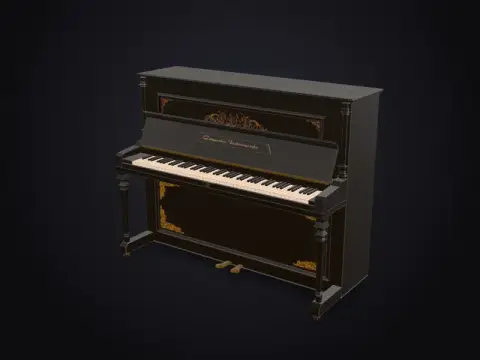 AR & VR Prepare 3D models for augmented and virtual reality: which formats iPhone and Android need, triangle budgets for headsets, and how to keep files small.
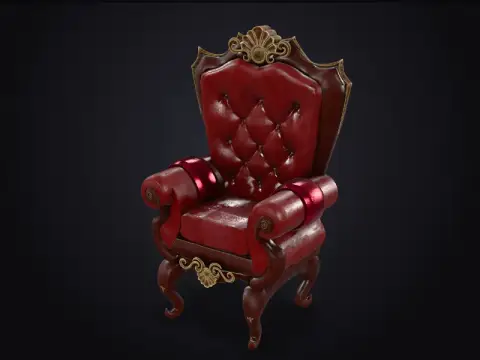 E-commerce & product visualisation Add rotatable 3D product views and AR to an online store. Which platforms support 3D, how to make product models from photos, and what to watch for.
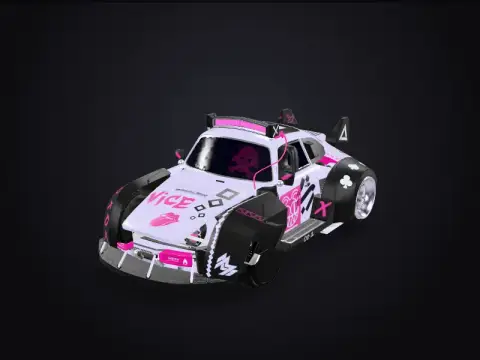 Film & animation How animators and filmmakers use generated and open-licensed 3D models for previs, set dressing and background assets, and where to draw the line.
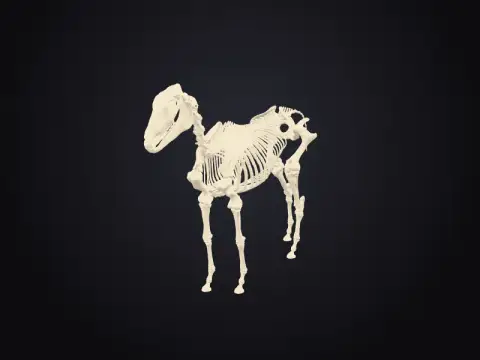 Education Use rotatable 3D models in lessons: free museum scans, anatomy references and student-made models from photos or text. Classroom-friendly formats and ideas.Interior design Use 3D furniture and decor models to mock up rooms, test layouts and show clients options. Formats for SketchUp, Blender and AR room previews.
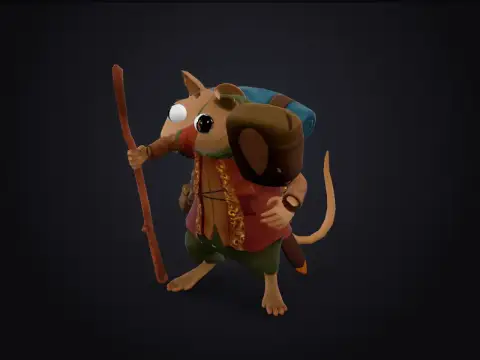 Tabletop miniatures Design custom tabletop RPG miniatures and terrain from text or images, then scale and print them at 28 mm or 32 mm. Tips for resin and FDM printers.
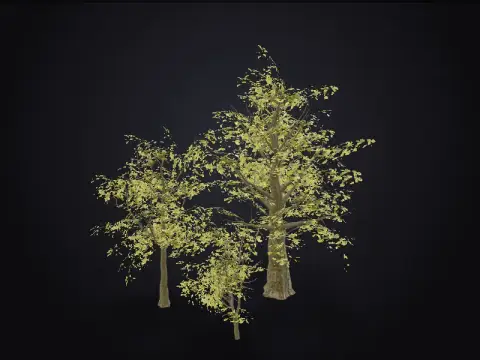 Architecture visualisation Populate architectural renders with trees, furniture, vehicles and street props. Where generated and open-licensed models fit in archviz, and their limits.
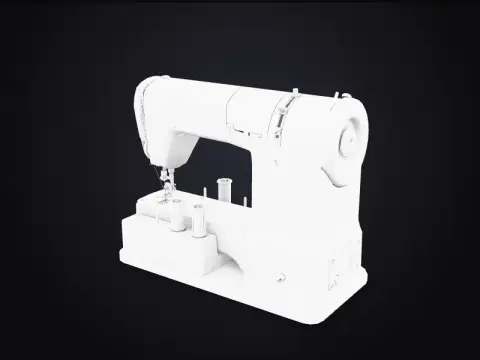 Product design & prototyping Use image-to-3D and text-to-3D to explore product shapes before CAD: quick form studies, printable mock-ups and concept renders for pitches.